
Seasonal Depression in Oregon: Tips for Managing SAD at Any Age
Why Seasonal Depression Is a Statewide Concern
Dark, rainy winters are why seasonal depression worse in Oregon. The change in weather can impact people of all ages, from teens and college students to working adults and parents, alike, making seasonal depression a statewide concern.
It’s common to feel tired, unmotivated, or down during winter, but when those feelings persist, it could be Seasonal Affective Disorder (SAD), a form of depression linked to reduced sunlight exposure.
This blog provides age-inclusive strategies for managing SAD, including tips for managing seasonal affective disorder, how to deal with depression in the winter, and help for winter mood changes in teens and adults. It also shares how Insight Northwest Recovery (INR) offers support for clients aged 12+, and helps you know when it’s time to seek professional care.
By recognizing seasonal affective disorder symptoms and warning signs, Eugene and Salem residents can be a step ahead of winter depression and maintain emotional well-being and resilience, even during the darkest days.
What Is Seasonal Affective Disorder (SAD)?
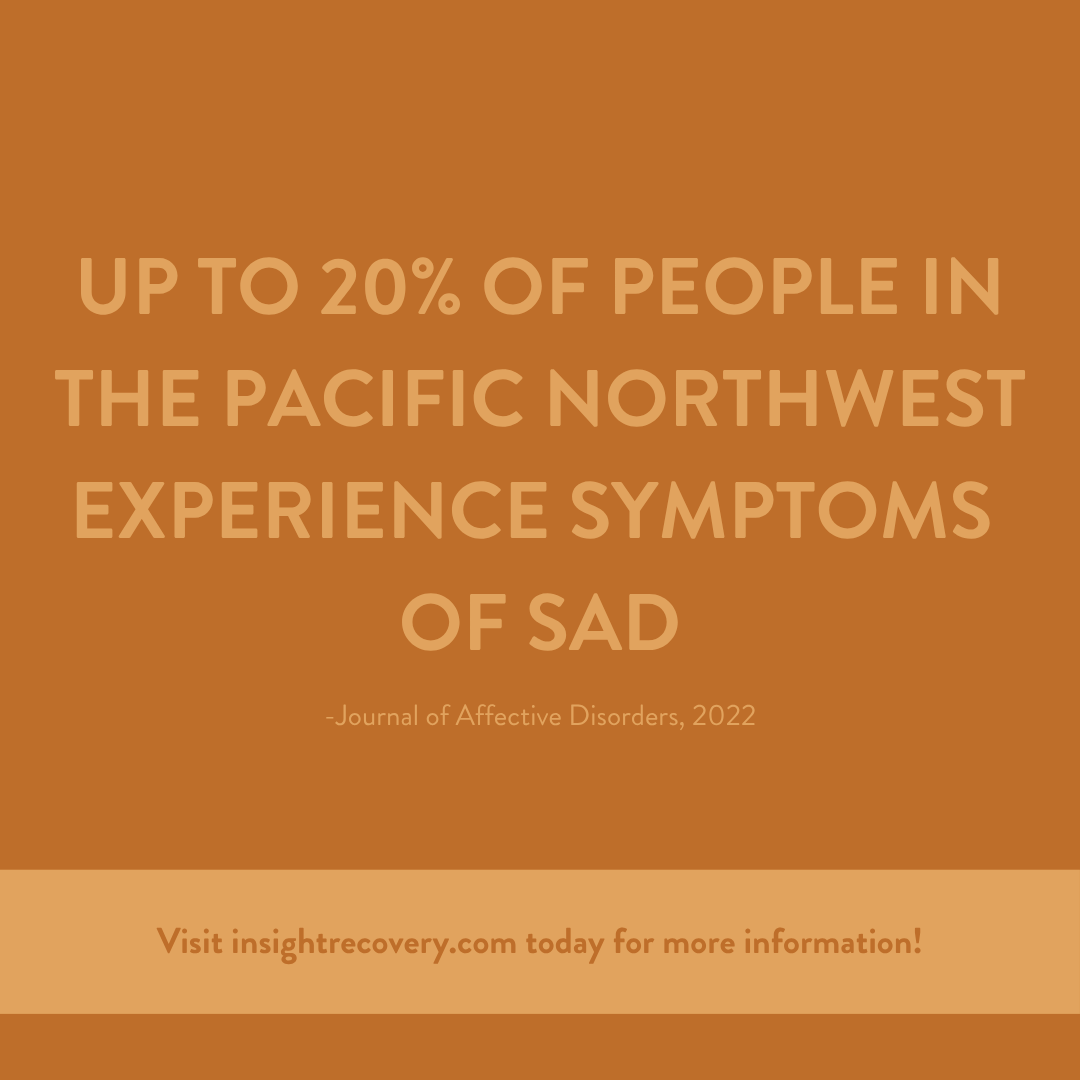
Seasonal Affective Disorder (SAD) is a type of depression that is triggered by seasonal changes, especially in fall and winter due to reduced sunlight. While many people experience mild mood shifts during colder months, SAD involves persistent symptoms that significantly impact daily functioning, school, work, or social relationships.
The common signs and symptoms of SAD span all age groups.
Individuals may experience low energy, fatigue, or changes in sleep patterns, such as oversleeping or insomnia. Appetite and weight changes are also common, often accompanied by cravings for carbohydrates or sugary foods. Emotional symptoms include feelings of hopelessness, withdrawal from social activities, or unusual irritability, while cognitive effects can involve difficulty concentrating or functioning at school or work.
SAD is often misdiagnosed or dismissed as the “winter blues”, leading to delayed treatment. However, with proper recognition, SAD is highly treatable, like with winter therapy programs at INR. The key is early awareness and support to help manage symptoms and maintain mental wellness throughout Oregon’s winter months.
Why Oregonians Are at Higher Risk
Oregon’s geographic location contributes to longer, darker, and cloudier winters, which can significantly impact mood and mental health. Reduced exposure to sunlight decreases Vitamin D production and can lower serotonin levels, both of which play key roles in regulating energy, mood, and overall well-being. As a result, Oregonians experience higher rates of seasonal depression compared to residents of sunnier states.
Certain groups are particularly vulnerable to SAD. Teens navigating school and social pressure, college students living independently, and adults balancing work, family, or existing mental health challenges may find winter stressors more difficult to manage.
Additionally, individuals with a history of depression, anxiety, trauma, or substance use are at an increased risk, as seasonal changes can exacerbate underlying vulnerabilities.
Awareness of these risk factors is crucial for early identification and intervention. By understanding Oregon-specific contributors to SAD, individuals, families, and support networks can proactively implement strategies to counteract the effects of SAD this winter.
How to Manage SAD: 5 Practical Strategies for All Ages
These 5 practical strategies for managing seasonal affective disorder are great coping methods for how to deal with depression in the winter and can help for winter mood changes in teens and adults.
Tip 1: Light Therapy & Sunlight
Since winter means reduced sunlight, light exposure is one of the most effective tools for managing SAD.
Using a 10,000 lux lightbox in the morning helps regulate circadian rhythms and boost serotonin levels. Aim for 15–30 minutes of light within the first hour of waking up. When possible, supplement with natural sunlight exposure, even on cloudy days, by spending time near windows or taking brief walks outside. Consistent morning light supports mood, energy, and overall mental well-being at the start of your day.
Tip 2: Stay Active (Even Indoors)
Physical activity and movement naturally increases mood-regulating endorphins and can counteract lethargy associated with SAD.
Even if outdoor exercise feels challenging in winter, staying active indoors is highly beneficial. Try walking on a treadmill, yoga, stretching routines, or structured exercise groups that provide accountability and keep you moving. Regular movement supports energy, mental clarity, and sleep quality, all of which are important for managing the effects of SAD.
Tip 3: Stick to a Routine
Maintaining consistent sleep and meal schedules helps regulate mood and stabilizes circadian rhythms, which can be disrupted during short, dark and rainy winter days.
Set reliable wake and sleep times, even on weekends, and plan meals to support balanced nutrition. Routines provide structure, reduce stress, and help prevent the fatigue, irritability, and low motivation commonly associated with SAD. Even though the days are shorter, you can still manage to feel like you’re getting the most out of each day.
Tip 4: Connect with Others
Social support is a powerful way to dampen the effects of SAD. Regular social interaction combats isolation, boosts mood, and reinforces coping strategies
Make time to connect with friends, family, or peers, whether through casual check-ins, virtual gatherings, or in-person activities. Teens can benefit from extracurricular involvement, while adults may engage in community groups or peer support networks. Even short, consistent connections can help maintain resilience during the darker months.
Tip 5: Talk to a Mental Health Professional
Professional support is key when seasonal symptoms become challenging.
SAD responds well to therapy, including Cognitive Behavioral Therapy (CBT), and in some cases, medication. A mental health professional can help you identify patterns and develop new, more effective coping strategies, as well as implement personalized interventions.
Don’t wait until symptoms become overwhelming. Early intervention best supports recovery to help you to maintain stability throughout winter.
When to Seek Help
SAD can be managed, therefore it’s important to reach out for support when symptoms begin to interfere with everyday life.
If low mood, fatigue, or loss of motivation make it difficult to keep up with school, work, or relationships, it may be time to talk to a mental health professional. You should also seek help if you’ve tried self-care strategies like light therapy, routine changes, or increased movement but still feel hopeless or isolated.
Common signs that additional support is needed include:
Consistent low mood that doesn’t improve
Withdrawal or avoidance, especially from activities or people you usually value
Difficulty functioning in your usual roles
Thoughts of self-harm, worthlessness, or hopelessness
Reaching out early can prevent symptoms from worsening and help you regain stability during the winter months.
Mental Health Support = School Success
Teens facing mental health challenges are susceptible to the difficult cycle of school stress worsening symptoms, and symptoms fueling school struggles. When mental health improves, so does a teen’s ability to show up for school and life.
INR’s Day Treatment Program (PHP) offers comprehensive care to help teens build resilience, confidence, and emotional regulation, so that they can return to school ready to improve their academic performance.
Whether your child is struggling to attend school or quietly suffering, don’t wait until fall.
Start today—contact Insight Northwest Recovery and give your teen the support they need to succeed.
INR provides in-person and virtual treatment across Oregon for anyone ages 12 and up. You don’t have to wait for things to get worse to get help.
How INR Supports Seasonal Depression Across Oregon
Is there therapy for SAD in Eugene or Salem?
At INR, we provide comprehensive seasonal depression treatment support across Oregon, offering services tailored by different age groups: teens (12–17), young adults (18–29), and adults (30+). Each program is designed to meet the unique needs of these populations, ensuring care is both relevant and effective.
INR’s offerings include group therapy and peer support, which provide connection, accountability, and shared coping strategies, as well as individual therapy for personalized guidance and skill-building. For clients who may benefit from medical management, INR also provides psychiatric evaluations and medication management, integrating mental health and medical care when appropriate.
With in-person locations in Eugene and Salem and virtual therapy available statewide, students and adults can access treatment from home, school, or work, maintaining continuity regardless of location. INR also offers integrated care for co-occurring disorders, supporting those managing both mental health challenges and substance use concerns.
Through our variety of tailored programs, INR empowers clients to manage SAD effectively, maintain daily functioning, and build resilience throughout the darker months.
There’s Light Ahead
Seasonal depression is common, but it is also treatable, especially with early support. Whether you’re a teen struggling in school, a young adult away from home, or an adult managing winter stress and responsibilities, help is here
INR’s therapy programs are available for ages 12+ both in-person at our Salem and Eugene facilities and online statewide across Oregon, making care accessible wherever you are.
If the winter months are weighing on your mental health, take the first step today. With the right guidance and support, brighter days are ahead.
Schedule a free consultation with Insight Northwest Recovery to explore winter mental health support for you or your loved one.