
Self‑Harm, Suicidal Thoughts, and Recovery: How Integrated Care Can Make the Difference

Talking About What Feels Hard
Self-harm and suicidal thoughts are frightening, but they are far more common than many families realize.
If you’re reading this because you’re worried about your teen (or yourself), you are not alone. These behaviors are rarely about “attention.” More often, they are signals of overwhelming emotional pain that someone doesn’t yet know how to manage safely.
What should you do if your teen is self-harming?
Seek professional help immediately.
Early intervention saves lives. Integrated mental health care, treatment that addresses depression, anxiety, trauma, and substance use together, improves long-term outcomes and reduces risk.
Reaching out for self-harm help in Oregon or suicidal thoughts help in Oregon can feel daunting. But support exists. Crisis mental health services in Oregon, along with comprehensive treatment programs, are designed to stabilize, protect, and guide families toward healing.
When we talk openly about what feels unbearable, we create room for recovery.
Understanding Self‑Harm and Suicidal Thoughts
It can be very uncomfortable to discuss, but talking about and understanding self-harm and suicidal thoughts is crucial to creating the necessary space for recovery.
Self-harm refers to intentionally injuring oneself as a way of coping with emotional distress. This may include cutting, burning, hitting, scratching, or other forms of self-injury. While self-harm does not always mean a person wants to die, it is a serious indicator of emotional pain and increased mental health risk.
Suicidal ideation refers to thoughts of ending one’s life. These thoughts may range from passive (“I wish I wouldn’t wake up”) to active planning. But both require immediate attention and compassionate care.
People engage in self-harm as a way to feel relief from heavy feelings:
To regulate overwhelming emotions
To feel something when numb
To release internal tension
To punish themselves due to shame or guilt
There is often intense anxiety and self-harm overlap, as well as depression and self-criticism. What’s important to understand is this: These behaviors are treatable. With proper mental health treatment in Oregon, especially integrated care, individuals can learn safer coping strategies, process underlying pain, and build resilience.
No one chooses self-harm lightly. But with the right support, recovery is possible.
Among US high school students in 2023, 40% reported feelings of sadness or hopelessness in the past year and 20% reported seriously considering attempting suicide in the past year.
Why These Struggles Rarely Exist Alone
Self-harm and suicidal thoughts rarely exist in isolation. They are often symptoms of deeper or co-occurring mental health conditions.
Common underlying contributors include:
Depression (especially untreated depression in teens)
Anxiety and self-harm cycles
PTSD or unresolved trauma
Eating disorders
In Oregon, many families seeking co-occurring disorders treatment discover that addressing only one issue, such as depression, without also treating trauma or substance use increases the risk of relapse.
External stressors can intensify vulnerability:
Bullying or social rejection
Toxic or abusive relationships
Identity struggles
Chronic stress at home
Adolescents, in particular, may lack the emotional vocabulary or coping tools to process these stressors safely. Without comprehensive adolescent mental health care, symptoms can escalate.
Integrated mental health treatment in Oregon recognizes that these challenges are interconnected. When trauma therapy in Oregon is combined with depression treatment for teens and anxiety treatment, individuals receive care that addresses root causes beyond the surface behaviors.
If you’re wondering where to get help for self-harm in Oregon, look for programs that treat the whole person, not just the crisis moment.
Warning Signs It’s Time to Seek Help
If you’re searching for “signs my teen is suicidal,” trust your instincts. Changes in behavior and mood deserve attention. Recognizing early warning signs and being proactive can make a life-saving difference.
Behavioral Signs
Withdrawal or isolation
Increased secrecy
Giving away possessions
Wearing long sleeves or pants to hide injuries
Emotional Signs
Persistent hopelessness
Feelings of worthlessness
Intense rage or emotional swings
Verbal Signs
“I don’t want to be here anymore.”
“Everyone would be better off without me.”
If someone is in immediate danger or expressing intent to harm themselves, contact emergency services at 911 or call/text the Suicide & Crisis Lifeline at 988 for crisis mental health support near you.
You can also call Insight Northwest Recovery at (541) 291-5657. For ongoing concerns, seeking suicidal thoughts help in Oregon or treatment for suicidal ideation in Oregon can provide structured, protective care before a crisis escalates.
Early action is not overreacting—it’s protection.
What Is Integrated Treatment—and Why It Works
Integrated treatment means addressing mental health conditions, trauma, and substance use together, rather than separately. This model recognizes that emotional pain is layered and interconnected.
In siloed treatment systems, one provider may address depression, while another addresses substance use, without coordination. This fragmentation can increase relapse, recurrence of self-harm, or crisis cycles.
Integrated treatment includes:
Individual therapy for personal processing
Group therapy to reduce isolation and build peer connection
Family therapy to improve communication and strengthen support systems
Psychiatric care for medication management when appropriate
Skill-building approaches, such as Dialectical Behavior Therapy (DBT), which teaches emotional regulation, distress tolerance, and safer coping strategies
For individuals seeking mental health treatment ages 12+ in Oregon, integrated programs create consistency across providers and settings. Research consistently shows that comprehensive, trauma-informed treatment reduces self-harm behaviors and suicidal ideation more effectively than single-focus interventions.
If you’re looking for crisis mental health support in Oregon, choosing integrated care can make the difference between short-term stabilization and long-term healing.
How INR Supports Healing for Ages 12+
When you need coordinated, crisis-responsive mental health treatment in Oregon, Insight Northwest Recovery (INR) provides thoughtful, comprehensive support.
INR follows a mental-health-first model of care for adolescents and adults ages 12+. Our mental health programs are designed to meet individuals where they are, offering varying levels of structure and intensity.
Levels of Care Include:
Virtual mental health care across Oregon
At INR, services include:
Comprehensive suicide-risk assessments
Trauma-informed therapy
Medication management
Family involvement and education
Treatment for co-occurring disorders in Oregon
Families searching for self-harm help in Oregon or teen mental health support often benefit from programs that combine structure with compassion. Integrated mental health treatment allows teens and adults to build coping skills, stabilize mood, and address trauma simultaneously.
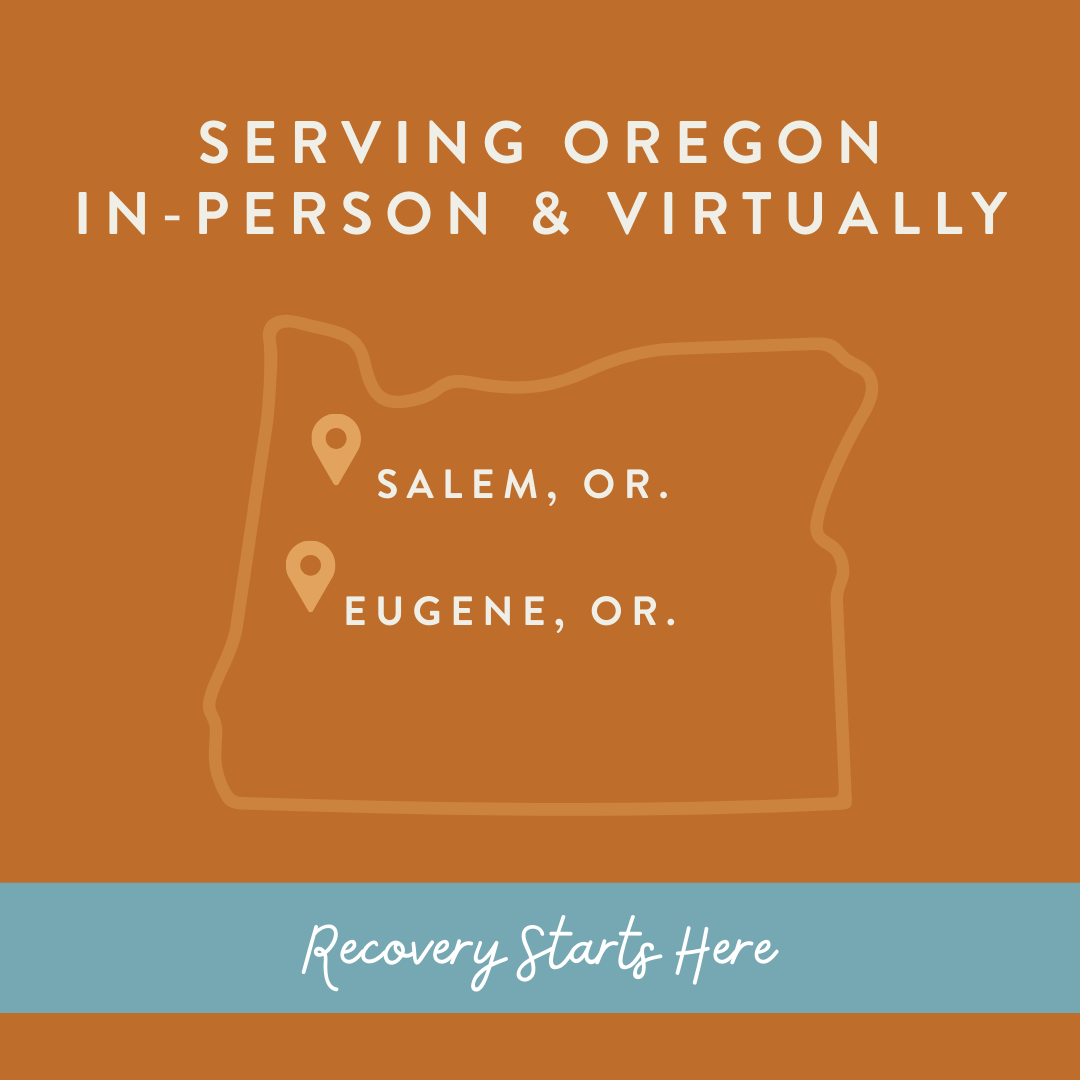
INR offers Eugene teen mental health treatment, Salem mental health services, and virtual mental health care statewide, ensuring access to care regardless of location.
What Recovery Can Look Like
Recovery does not mean emotions disappear. It means learning safer ways to respond to them.
Signs of progress often include:
Talking openly about distress instead of hiding it
Using coping skills learned in therapy
Reaching out for support instead of isolating
Reduced frequency or intensity of self-harm urges
Healing is rarely linear. There may be setbacks. But integrated care helps individuals develop resilience, self-awareness, and practical tools that support long-term stability. With consistent support, the overwhelming intensity that once felt unbearable becomes manageable. And manageable becomes hopeful.
How Loved Ones Can Offer Support
Seeking adolescent mental health care or crisis mental health support in Oregon is not an overreaction—it’s a protective step. Families deserve guidance too.
Checklist: How to Respond When Someone Is Self-Harming
Stay calm and non-judgmental
Avoid punishment, ultimatums, or shame
Ask directly about safety (“Are you thinking about hurting yourself?”)
Listen more than you speak
Encourage professional help early
Follow through with appointments and treatment plans
Take care of your own mental health
When someone you love is struggling, your response matters. If you’re wondering how to help a teen who self harms, remember: connection reduces risk. Judgment increases it.
Help Is Available—and Recovery Is Possible
Self-harm and suicidal thoughts are serious—but they are treatable. Integrated care addresses the root causes of emotional pain, not just the visible symptoms.
If you’re searching for self-harm help in Oregon, suicidal thoughts help in Oregon, or comprehensive mental health treatment ages 12+, INR provides compassionate, coordinated care. Contact Insight Northwest Recovery today to explore your options—or call/text 988 for immediate crisis support.
Recovery is possible. And support is here when you’re ready.
You do not have to navigate this alone.